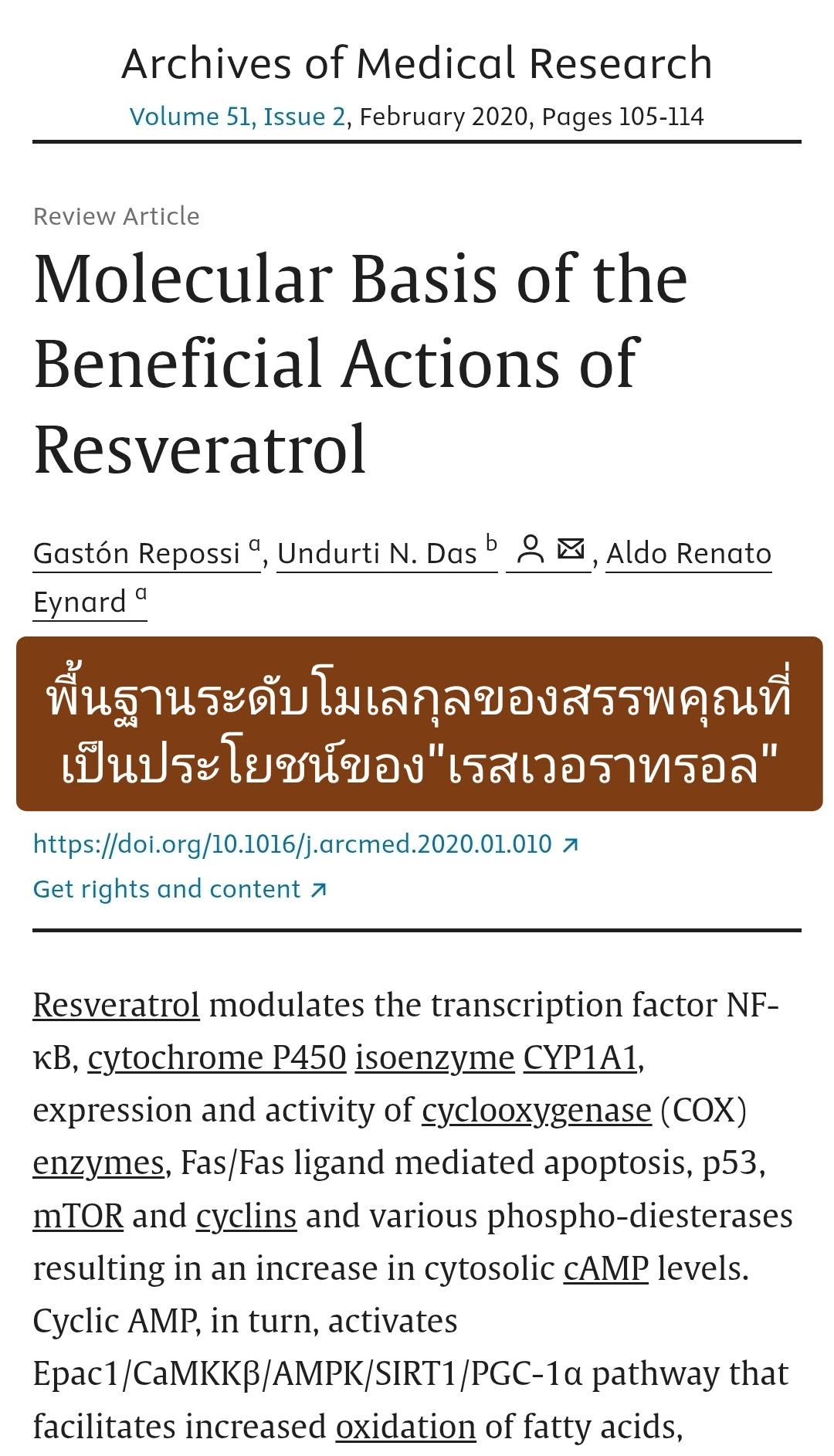
: Molecular Basis of the Beneficial Actions of Resveratrol
Summary of the article: Molecular Basis of the Beneficial Actions of Resveratrol
From the journal: Archives of Medical Research
Publication year: 2020
What is Resveratrol?
Resveratrol is a natural polyphenol found in the skins of red grapes, blueberries, and mulberries. They are created by plants to protect themselves from fungi and environmental stress.
This substance has received great attention because of its properties:
● Antioxidants
● Reduce inflammation.
● Helps control blood sugar.
● Protect the heart and blood vessels.
● Slow down cell degeneration.
● Anti-cancer
● Promotes brain health.
Important molecular mechanisms
1. Stimulates SIRT1 — the anti-aging gene.
SIRT1 is a protein involved in DNA repair, energy regulation. and anti-aging
Resveratrol stimulates SIRT1 causing:
- Increased sensitivity to insulin
- Reduce cell degeneration
- Promote the creation of mitochondria
- Reduce age-related diseases
2. Activates AMPK — the energy-burning switch.
AMPK is a regulator of energy use in cells.
The result is:
- Increase fat burning
- increases the production of mitochondria
- Increase cellular energy
- Mimics the beneficial effects of exercise and calorie restriction.
3. Reduce inflammation through NF-κB
NF-kappa B is a stimulant of inflammatory substances.
Resveratrol inhibits NF-κB, reducing:
Tumor Necrosis Factor alpha (TNF-α)
Interleukin 17
Interleukin 6
Cyclooxygenase-2
Thus reducing chronic inflammation associated with various diseases.
4. Antioxidants
Resveratrol increases the activity of important enzymes such as
Superoxide Dismutase (SOD)
Catalase
Glutathione Peroxidase
Helps reduce Reactive Oxygen Species which cause cell degeneration and mutation.
5. Anti-cancer
Resveratrol affects many mechanisms of cancer cells, such as
- Stimulates p53 to repair or destroy abnormal cells.
- Inhibits mTOR, which is involved in cell division.
- stimulates apoptosis
- Inhibits Hypoxia-inducible factor 1-alpha and Vascular Endothelial Growth Factor A to reduce the creation of new blood vessels in cancer tumors.
Benefits for important diseases
The article points out that Resveratrol helps to prevent or support the treatment of:
Type 2 Diabetes
Metabolic Syndrome
Obesity
Cancer
Diabetic Retinopathy
Age-related Macular Degeneration
Alzheimer's Disease
Cardiovascular Disease
Relationship with omega-3 fatty acids and BDNF
The authors propose that Resveratrol works with:
Omega-3 Fatty Acids
Brain-Derived Neurotrophic Factor
Anti-inflammatory substances such as resolvins, protectins and lipoxin A4
This results in brain protection, inflammation reduction, and regeneration.
Summary of main points
Resveratrol is a natural substance with high potential to promote health. It works through stimulating SIRT1 and AMPK, reducing NF-κB, and increasing antioxidant enzymes. and inhibiting the growth of cancer cells As a result, it helps slow down aging, reduce inflammation, and prevent metabolic disease, heart disease, dementia, and cancer.
Short summary message
“Resveratrol works deep at the gene and mitochondrial level. Stimulates cell repair, reduces inflammation, and fights free radicals. and systematically slow down the deterioration of the body.”