Why do scientists say "God is our mitochondria"?
Why do scientists say "God is our mitochondria"?
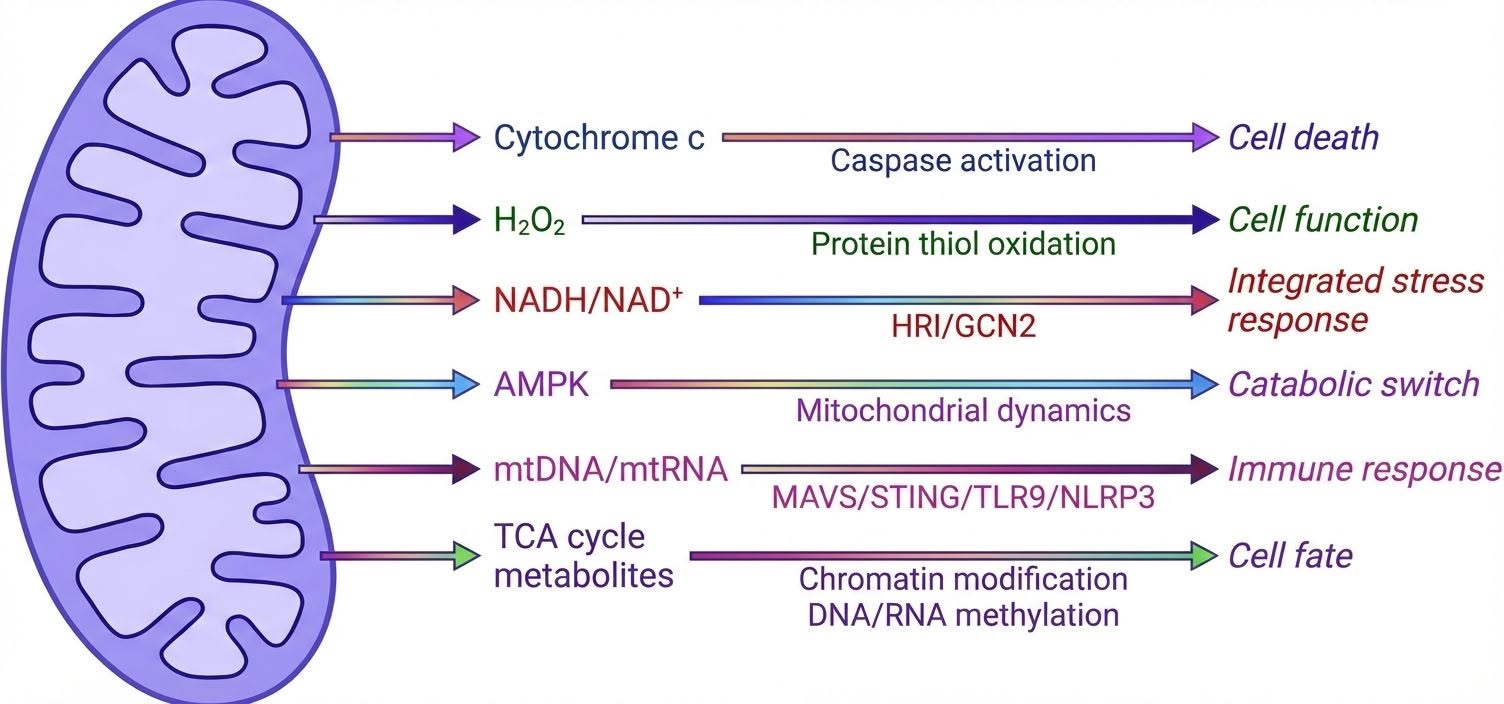
Mitochondria are not only responsible for producing energy (ATP), but are also central to regulating many important cellular processes, including:
1. Cytochrome c → stimulates cell death (Apoptosis)
When cells are severely damaged Mitochondria release Cytochrome c into the cytosol. which will stimulate a set of enzymes that cause cells to enter the process “Programmed death” helps remove abnormal or deteriorated cells from the body.
2. H₂O₂ → Redox signaling and protein communication
Hydrogen peroxide (H₂O₂) isn't the only free radical that causes damage. but also serves as “Signaling molecules” control redox balance and adjust protein function through thiol groups, allowing cells to respond appropriately to environmental conditions
3. NADH/NAD⁺ → Cellular stress response (Integrated Stress Response)
The ratio between NADH and NAD⁺ is a reflection of the energy and metabolic state of the cell. Changes in this ratio signal cells to adapt to stress, such as nutrient deprivation. Oxidation or cell damage
4. AMPK → Changing the energy metabolism mode.
AMPK is the cell's "energy sensor." When energy is low, AMPK is activated, causing the cell to reduce unnecessary energy use. and increases the catabolic process to create energy and maintain cell balance.
5. mtDNA / mtRNA → stimulate innate immunity (Innate Immune Activation)
When mitochondria are damaged, mtDNA or mtRNA may be released into the cytosol. causing the body to recognize it as a signal from a germ As a result, the innate immune system is stimulated. Inflammation or cell self-defense occurs.
6. TCA metabolites → regulate chromatin and cell fate.
Intermediates in the TCA cycle do not just play a role in generating energy. But it also affects chromatin modification and gene expression. It affects the long-term determination of cell function, development, and fate.
Summary
Mitochondria are “The life control center of the cell” that connects energy, signaling, immunity, and the cell's decisions to survive, adapt, or undergo planned death.