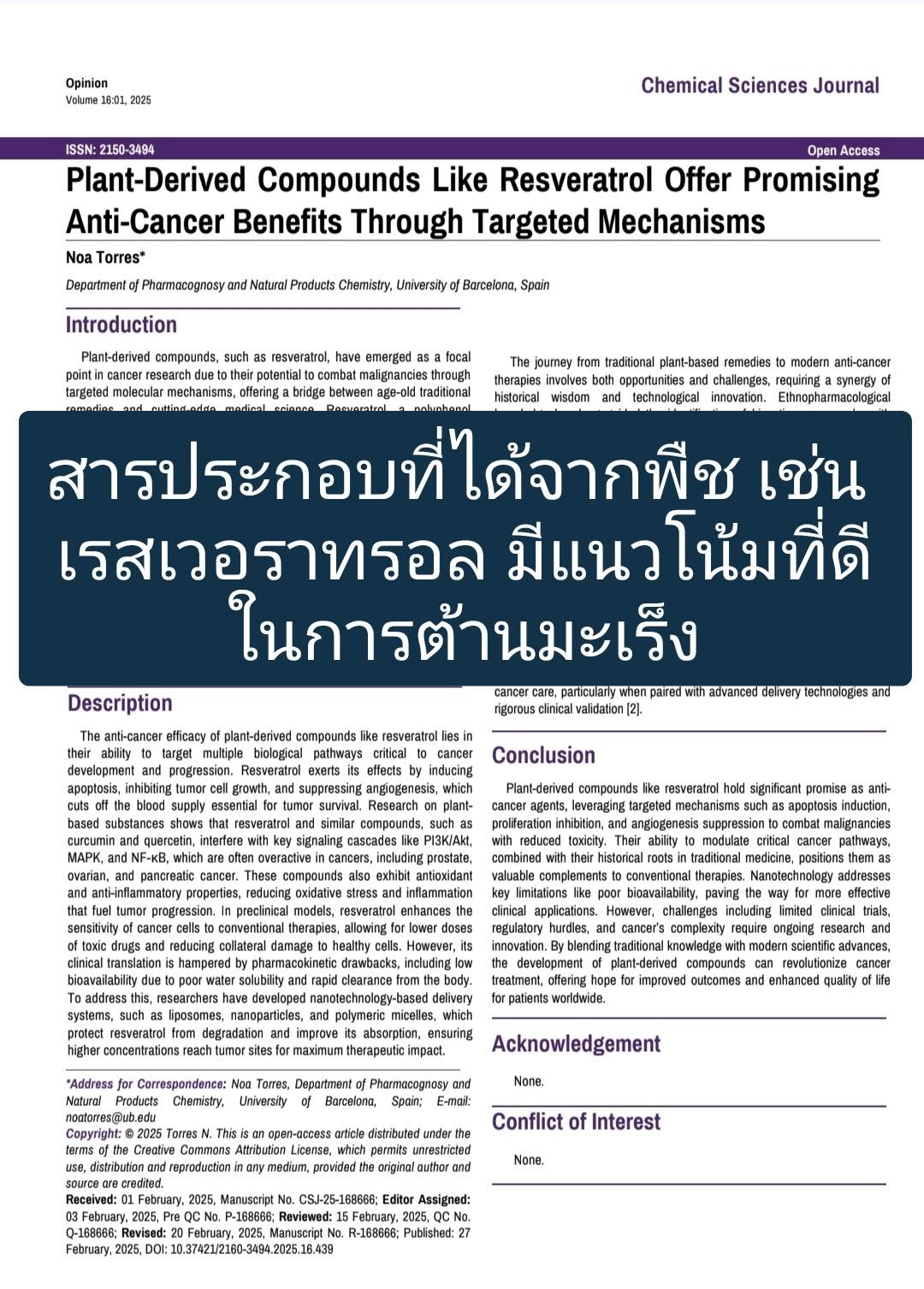
Plant-derived compounds, such as resveratrol, show great potential for anticancer effects through targeted mechanisms.
Plant-derived compounds, such as resveratrol, show great potential for anticancer effects through targeted mechanisms.
Plant-Derived Compounds Like Resveratrol Offer Promising Anti-Cancer Benefits Through Targeted Mechanisms
Plant-derived compounds, such as resveratrol, have become a focus of cancer research. This is because it has the potential to fight cancer cells through targeted molecular mechanisms. It is a bridge between ancient traditional medicine and cutting-edge medical science. Resveratrol, a polyphenol that is abundant in red grapes, and mulberry It is notable for its ability to influence cancer-related processes such as cell proliferation. cell death and the creation of new blood vessels It has relatively low toxicity to normal tissues. Studies investigating plant substances highlight their past use in folk medicine. This has now been confirmed by modern research showing its effectiveness against cancers such as breast, lung and colon cancer. These compounds are interesting because they can modulate specific pathways involved in tumor growth. while reducing severe side effects associated with traditional treatments such as chemotherapy. However, the therapeutic potential of these agents is limited by challenges such as poor solubility and rapid metabolism. This has stimulated research into advanced drug delivery systems such as nanotechnology. to optimize the efficacy of these agents as cancer remains a major global health challenge. The potential of plant-derived compounds such as resveratrol highlights the need for continued research to optimize their clinical use and integrate these compounds into mainstream cancer treatment.