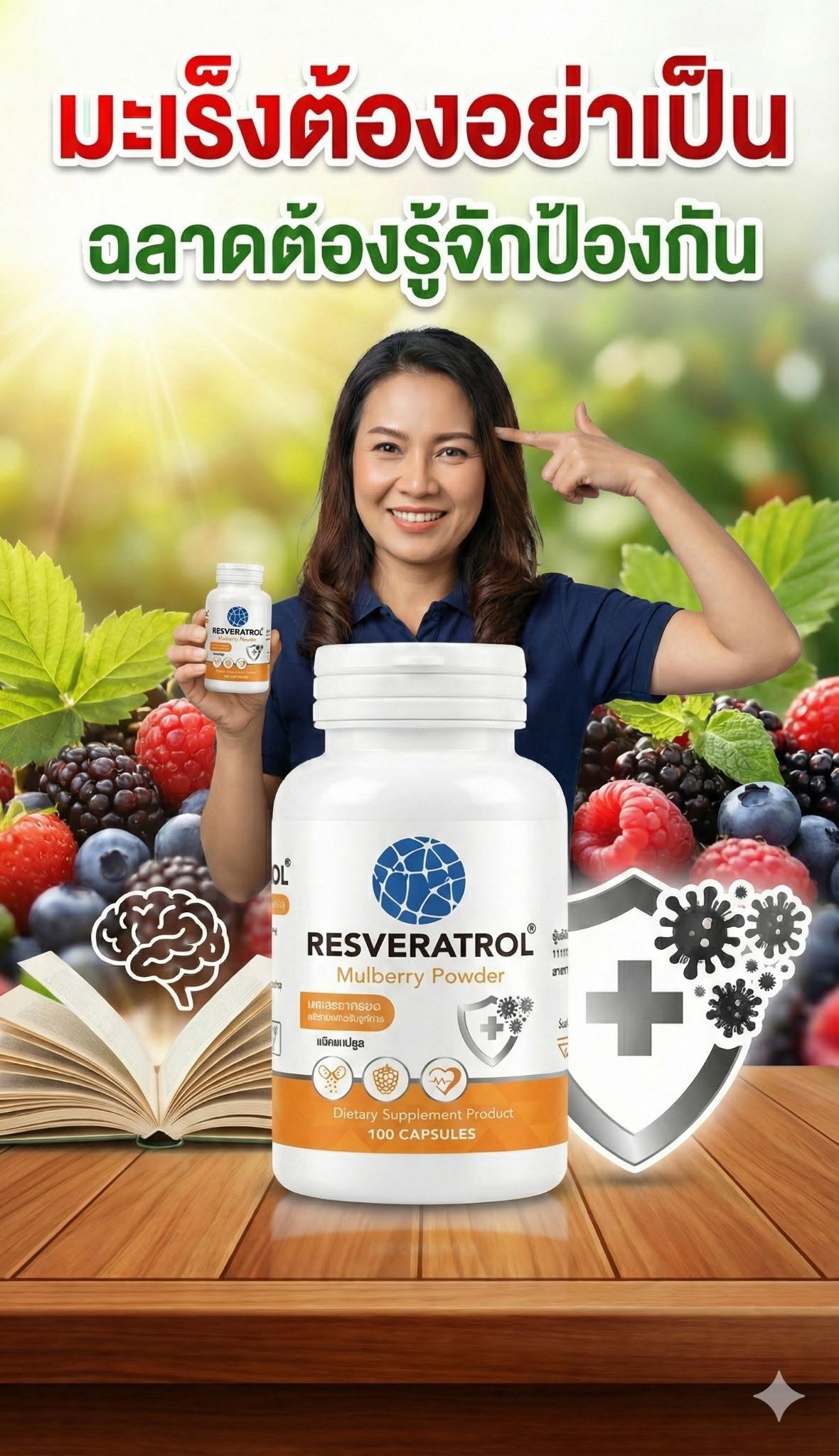
Delaying aging and preventing NCDs, including cancer. With resveratrol extracted from mulberry
Summary of delaying aging and preventing NCDs, including cancer. With resveratrol extracted from mulberry
Resveratrol — a polyphenol found in some plants, including mulberries — has several effects related to “slowing aging” and reducing the risk of NCDs (non-communicable diseases such as diabetes, high blood pressure, heart disease and cancer), including antioxidant protection, reducing inflammation, and improving energy metabolism and mitochondrial function. and modulation of cell signals (e.g. SIRT1/AMPK/NF-κB).
Biological mechanisms (mechanisms) — details on each topic
1. Antioxidants (Antioxidant) — Reduces damage from ROS.
Resveratrol can reduce the amount of reactive oxygen species (ROS) and inhibit lipid peroxidation, reducing DNA and protein damage. which is an important factor in cellular senescence and the development of many chronic diseases.
2. Reduce inflammation (Anti-inflammatory)
Inhibition of inflammatory signaling pathways such as NF-κB and p38 MAPK reduces the production of inflammatory cytokines (such as TNF-α, IL-6) — which chronic inflammation is linked to NCDs and cancer processes.
3. Stimulates SIRT1 / AMPK — mimics the effects of caloric restriction mimetic
Resveratrol stimulates SIRT1 (sirtuin 1) and affects AMPK, causing it to adjust energy metabolism. Increase fat breakdown stimulates DNA repair and promoting mitochondrial function — these mechanisms have been linked to prolonging life and protecting against metabolic disease.
4. Adjust the function of mitochondria and autophagy. (mitochondrial function & autophagy)
It improves cellular energy production, reduces ROS generation from the mitochondria, and stimulates autophagy, the process of sorting out worn out cell parts — important for slowing the accumulation of damage in cells.
5. Effects on cell division/death (cell cycle & apoptosis) — related to cancer
In cancer cells, resveratrol can cause cell-cycle arrest (inhibit cell division), stimulate apoptotic pathways (e.g., increase Bax, decrease bcl-2, stimulate caspases), reduce angiogenesis (VEGF), and inhibit pro-proliferative enzymes/proteins (e.g., MMPs) — thus having the potential to both prevent cancer and reduce metastasis.
6. Effects on gut microbiota and metabolites — indirectly on NCDs
Resveratrol is immobilized/transformed by intestinal microorganisms. Produce metabolites with different biological activities This may help modulate metabolism and general systemic inflammation.
About cancer in Thailand
Data from international and Thai databases show that Cancer is a leading cause of death in Thailand. And it has been one of the leading causes of death for the past several decades — reports such as GLOBOCAN and the Thailand Cancer Registry provide data on death figures and the most popular types of cancer in the country. (For the latest statistical information You should see reports from agencies such as NCI Thailand or GLOBOCAN).
Summary:
Resveratrol is extracted from mulberry. There are many mechanisms that inhibit processes related to aging and NCDs, fight free radicals, reduce inflammation, and adjust metabolism. and inhibit the cancer process