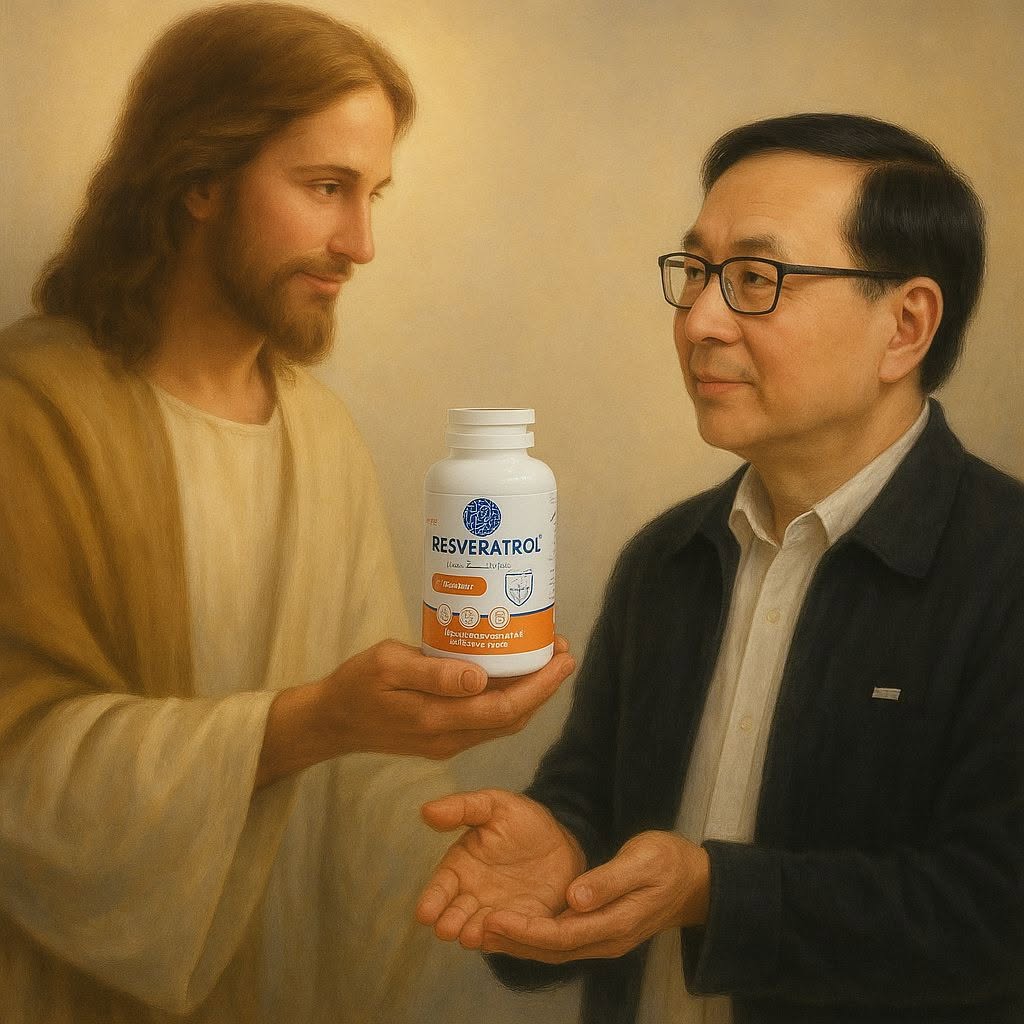
Explain the biological mechanism of resveratrol extracted from mulberry in preventing, treating, and restoring age-related diseases...
Explain the biological mechanism of resveratrol extracted from mulberry in preventing, treating, and restoring age related diseases such as heart disease and stroke. Alzheimer's disease Chronic kidney disease, cancer, etc.
Resveratrol is a type of polyphenol found in some plants. Including mulberries (Morus spp.), which have a higher amount of resveratrol than any other fruit.
Mulberry has been extensively studied for its various biological properties. It contributes to the prevention, treatment and recovery of age-related diseases through several biological mechanisms as follows:
Resveratrol's main biological mechanisms for combating age-related diseases:
* Reducing oxidative stress (Antioxidant Activity):
* Eliminates free radicals (Free Radical Scavenging): Resveratrol is a highly effective antioxidant. It can capture and eliminate free radicals (Reactive Oxygen Species - ROS and Reactive Nitrogen Species - RNS) that are important causes of damage to cells and DNA, leading to aging and various diseases.
*Enzyme Upregulation: Resveratrol stimulates the activity of endogenous antioxidant enzymes such as Superoxide Dismutase (SOD), Catalase, and Glutathione Peroxidase, which are the body's first line of defense against oxidative stress.
* Reducing inflammation (Anti-inflammatory Activity):
* Inhibits inflammatory pathways (Inflammatory Pathways Inhibition): Resveratrol can inhibit the activity of signaling molecules and enzymes involved in inflammation, such as NF-κB (Nuclear Factor-kappa B) and COX-2 (Cyclooxygenase-2), which are key proteins that trigger chronic inflammation.
* Reduced Pro-inflammatory Mediators: Helps reduce the production of cytokines that cause inflammation. (pro-inflammatory cytokines) such as TNF-α (Tumor Necrosis Factor-alpha) and interleukin (Interleukins)
* Modulation of Aging Pathways:
* Sirtuin Activation: Resveratrol is well known for its ability to activate sirtuins (specifically SIRT1), proteins involved in regulating aging, DNA repair, and metabolism. and stress response. SIRT1 activation can extend cell lifespan and reduce the risk of age-related diseases.
* Improves the function of mitochondria. (Mitochondrial Function Improvement): Mitochondria are the source of energy production for cells. Impaired mitochondrial function is a key factor in aging and many diseases. Resveratrol increases the production of new mitochondria. (mitochondrial biogenesis) and improve the performance of mitochondria
Applications in various age-related diseases:
* Cardiovascular disease (Cardiovascular Diseases - CVDs):
* Improves Endothelial Function: Resveratrol helps blood vessels become more flexible and reduces inflammation in the lining of blood vessels.
* Reduce Cholesterol (Cholesterol Regulation): Helps reduce LDL (bad cholesterol) levels and increase HDL (good cholesterol).
* Prevents platelet aggregation (Anti-platelet Aggregation): Reduces the risk of blood clots.
* Reduces blood pressure (Blood Pressure Reduction): May help blood vessels relax and reduce blood pressure.
* Stroke (Stroke):
*Protect nerve cells (Neuroprotection): With antioxidant and anti-inflammatory properties. Helps reduce brain cell damage from ischemia.
* Improves Cerebral Blood Flow: May help promote better blood flow in the brain.
* Alzheimer's Disease:
* Reduces the accumulation of amyloid-beta. (Amyloid-beta Reduction): Resveratrol may help inhibit the formation and accumulation of amyloid-beta protein. which is a key characteristic of Alzheimer's disease.
* Reduce inflammation in the brain (Neuroinflammation): Reduces inflammation that adversely affects nerve cells.
* Protects nerve cells from damage (Neuroprotection): resists oxidative stress and promotes neuron survival.
* Chronic Kidney Disease (CKD):
* Reduces oxidative stress and inflammation in the kidneys (Renal Oxidative Stress and Inflammation): Protects kidney cells from damage.
* Improves Kidney Function: May help slow the progression of kidney disease by reducing fibrosis and death of kidney cells.
* Cancer (Cancer):
* Inhibition of Cancer Cell Growth: Resveratrol has the ability to inhibit the division of cancer cells and the spread of cancer.
* Stimulate the death of cancer cells (Induction of Apoptosis): Promote cancer cells to enter the programmed cell death process (apoptosis).
* Resists the creation of new blood vessels (Anti-angiogenesis): Inhibits the creation of new blood vessels that nourish cancer tumors.
In summary, resveratrol extracted from mulberry has interesting potential as a natural substance for the prevention, treatment, and recovery of age-related diseases. Through the main mechanisms of antioxidant protection, reducing inflammation and regulating the aging process.