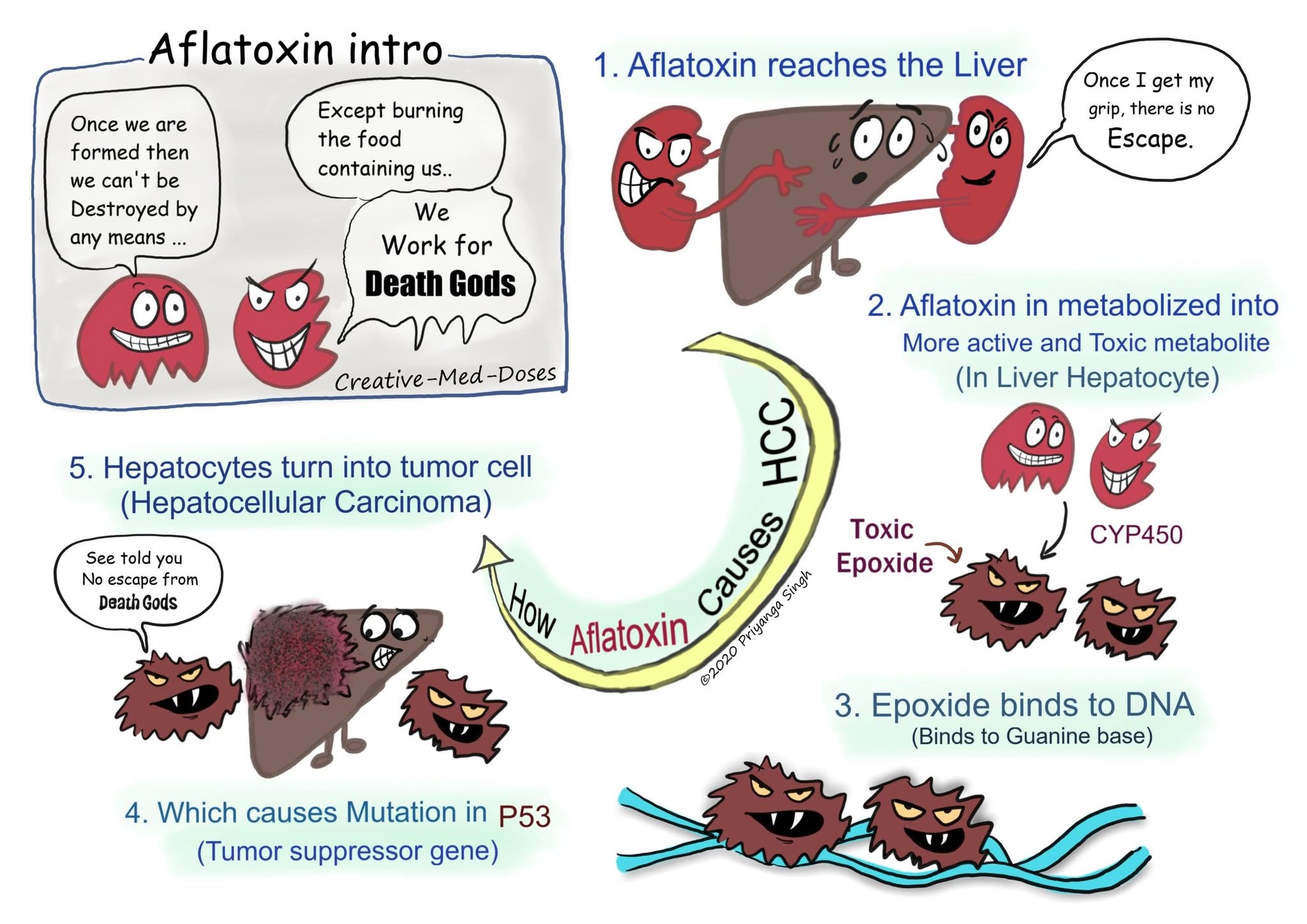
Aflatoxin contamination of dry food is a major health problem. Because aflatoxin is a serious carcinogen...
Aflatoxin contamination of dry food is a major health problem. This is because aflatoxin is a serious carcinogen. These toxins are produced by fungi. Especially the fungi Aspergillus flavus and Aspergillus parasiticus, which thrive in hot and humid conditions. Aflatoxin contamination can lead to the following cancers:
1. DNA damage and mutations
Aflatoxins, especially aflatoxin B1 (AFB1), are metabolized in the liver to a highly reactive compound called aflatoxin-8,9-epoxide. This compound binds to DNA, causing mutations. Especially in the tumor suppressor gene TP53, which plays an important role in preventing cancer. Mutations in TP53 prevent the body from controlling cell growth. This causes an increased risk of liver cancer.
2. Chronic liver damage and cirrhosis
Long-term exposure to aflatoxin causes liver inflammation, fibrosis, and cirrhosis, which creates an environment conducive to cancer development. Aflatoxin also causes a decrease in detoxifying enzymes. This makes it more difficult for the liver to eliminate harmful substances.
3. Synergistic effect against hepatitis B and C viruses.
In regions with high numbers of hepatitis B virus (HBV) and hepatitis C virus (HCV), exposure to aflatoxin greatly increases the risk of liver cancer. Infection with hepatitis B and hepatitis C makes liver cells more vulnerable to DNA damage caused by aflatoxins.
4. Immune suppression
Aflatoxin weakens the immune system. It impairs the body's ability to fight infections and abnormal cell growth. This immune suppression affects cancer progression.
5. Oxidative stress and inflammation
Aflatoxins cause oxidative stress. This results in increased production of reactive oxygen species (ROS), causing chronic inflammation, increasing DNA damage, and promoting the formation of cancerous tumors.
Common sources of aflatoxin contamination in dry food
Cereals (corn, rice, wheat, sorghum)
Nuts (peanuts, almonds, pistachios)
Dried fruits (dates, raisins)
Spices (cayenne pepper, dried chili, pepper)
Animal food (contaminated milk, meat, and eggs)
Defense strategy
Proper drying and storage to prevent mold growth
Use of fungicides and biological control agents
Regular testing and quality control
Exposure to aflatoxin is a public health risk. Especially in the tropics and subtropics. Controlling contamination in the food supply chain is important for cancer prevention.