Explain the mechanism of DNA mutation from aflatoxin B1 that causes cancer.
Explain the mechanism of DNA mutation from aflatoxin B1 that causes cancer.
Aflatoxin B1 (AFB1) is a powerful carcinogen produced by the fungus Aspergillus, which is found in contaminated foods such as grains, nuts, and legumes. Its carcinogenic effect is mainly due to its ability to cause mutations in DNA, especially in the cancer tumor suppressor gene TP53, which plays an important role in preventing cancer.
Mechanism of DNA mutation by aflatoxin B1
Metabolic stimulation:
AFB1 itself is not directly mutagenic. Instead, it is metabolized in the liver by cytochrome P450 enzymes (especially CYP1A2 and CYP3A4) to its highly reactive form, aflatoxin B. 1-8,9-epoxide (AFBO)
This epoxide form is highly electrophilic and can easily interact with DNA.
Formation of DNA additives:
AFBO forms covalent bonds with DNA, especially at the N7 position of guanine, creating the AFB1-N7-Gua additive.
These additives are unstable and lead to depurination. (loss of guanine base) which causes mutations during DNA cleavage
Mutations and changes G→T:
during division The absence of guanine or the presence of the AFB1 additive causes base pairing errors.
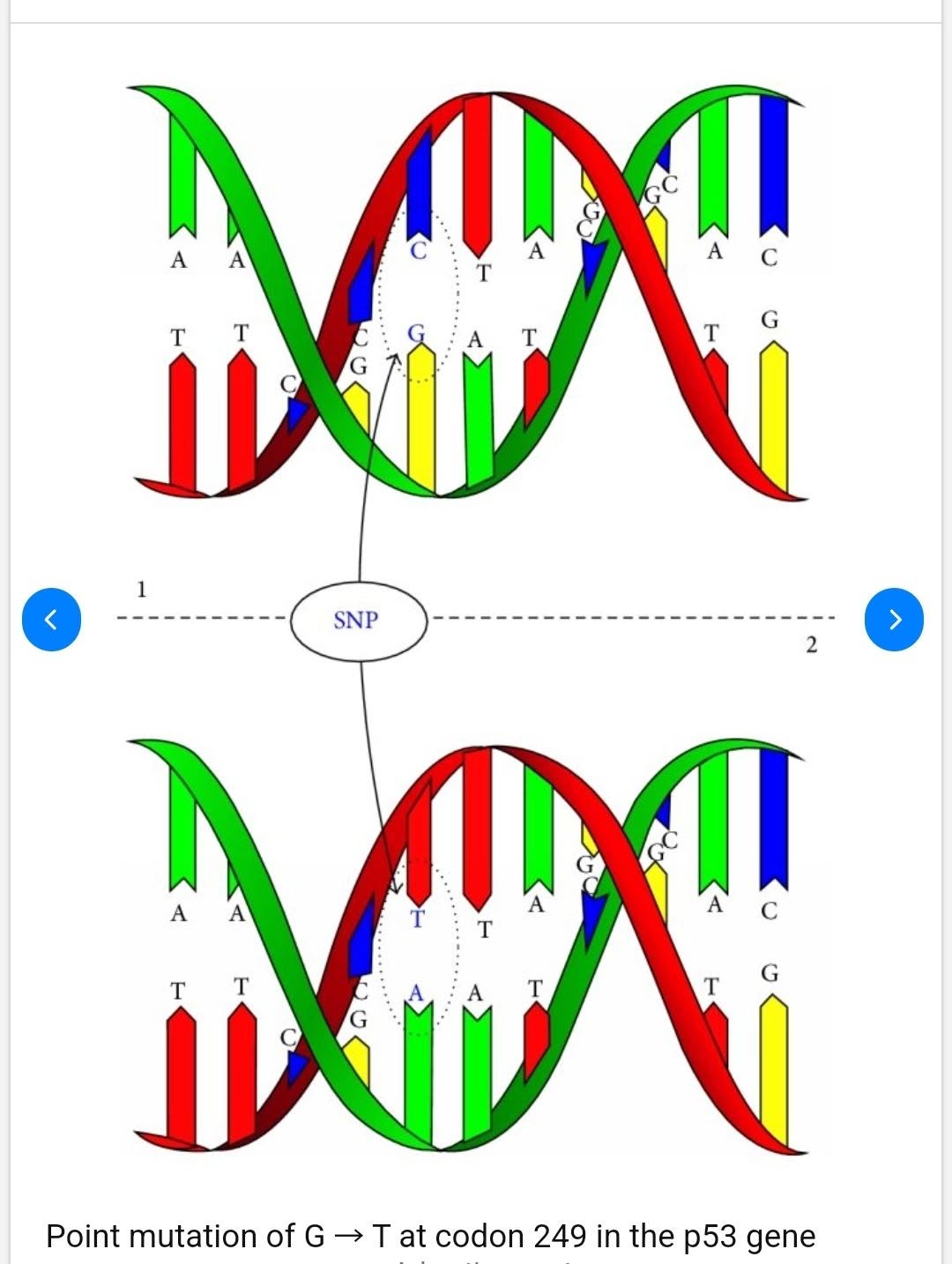
The most characteristic mutation caused by AFB1 is a specific G→T change at codon 249 of the TP53 gene (AGG → AGT), which leads to the substitution of arginine for serine.
This mutation in TP53 affects its ability to regulate the cell cycle and induce apoptosis in damaged cells. This results in cells spreading uncontrollably.
Oxidative stress and secondary DNA damage:
AFB1 metabolism also produces reactive oxygen species (ROS), which further damage DNA, proteins, and lipids.
DNA damage caused by ROS causes additional mutations and chromosome instability. Causes cancer to develop faster.
Effects on cells and cancer:
When TP53 is inactive, cells do not undergo apoptosis in response to DNA damage. causing accumulated mutations
Abnormalities in cell growth pathways result in cancer.
Conclusion
Aflatoxin B1 induces cancer primarily by creating a substance that splices DNA. This causes a G→T transversion in the TP53 gene, which blocks cancer tumor suppression and promotes uncontrolled cell growth. Resulting in cancer. Prolonged exposure to AFB1, especially in regions with high food contamination. It will greatly increase the risk of cancer.