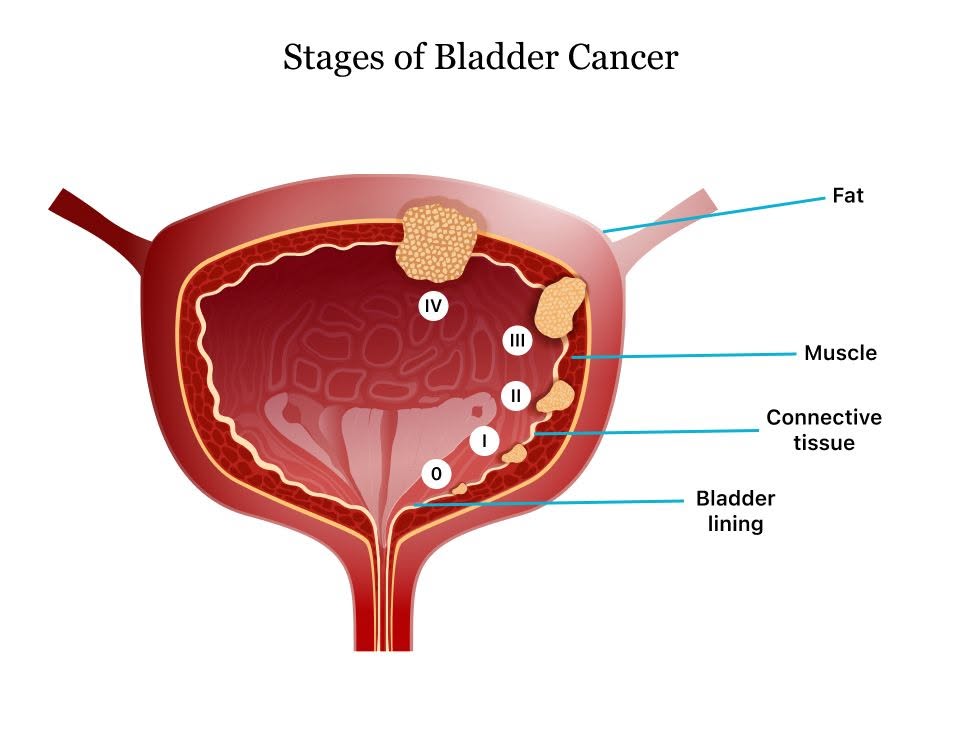
Describes the potential of resveratrol in treating bladder cancer.
Describes the potential of resveratrol in treating bladder cancer.
Resveratrol: A natural polyphenol found in some plants, such as red grapes and mulberries. It shows potential in the treatment of bladder cancer due to its wide range of biological properties. Important areas in which resveratrol may play a role in the treatment of bladder cancer include:
1. Antioxidant and anti-inflammatory effects
Resveratrol has strong antioxidant properties that reduce oxidative stress, which plays a role in cancer. Resveratrol can inhibit the initiation of cancerous tumors and the progression of bladder cancer. By eliminating free radicals and reducing inflammation
2. Induction of apoptosis
Studies have shown that resveratrol induces programmed cell death (apoptosis) in bladder cancer cells by modulating pathways such as the caspase cascade and mitochondrial dysfunction. This can help eliminate cancer cells while preserving normal cells.
3. Inhibiting the spread
Resveratrol has been found to inhibit the spread of bladder cancer cells. It interferes with key signaling pathways, including the PI3K/AKT/mTOR and Wnt/β-catenin pathways. These pathways often malfunction in cancer and result in cells growing out of control.
4. Resists the creation of new blood vessels
Resveratrol can inhibit the formation of new blood vessels. This is the creation of new blood vessels that deliver nutrients to the cancer tumor. This reduces the growth of cancerous tumors and their potential to spread.
5. Increased sensitivity to conventional treatment
Resveratrol has been found to increase the effectiveness of conventional cancer treatments such as chemotherapy and radiation. It makes bladder cancer cells more sensitive to these treatments. This reduces the amount of medicine needed and reduces side effects.
6. Epigenetics control
Emerging evidence indicates that resveratrol can influence epigenetic mechanisms such as DNA methylation and histone modifications. which is important for the development of cancer These changes reverse the pattern of gene expression that promotes cancer tumors.
7. Immune adjustment
Resveratrol increases immunity against cancerous tumors by modulating immune cell activity and reducing cancer cells' immune evasion.
Conclusion
Resveratrol has great potential as a treatment agent for bladder cancer. This is because it has multiple targeting mechanisms and is less toxic.