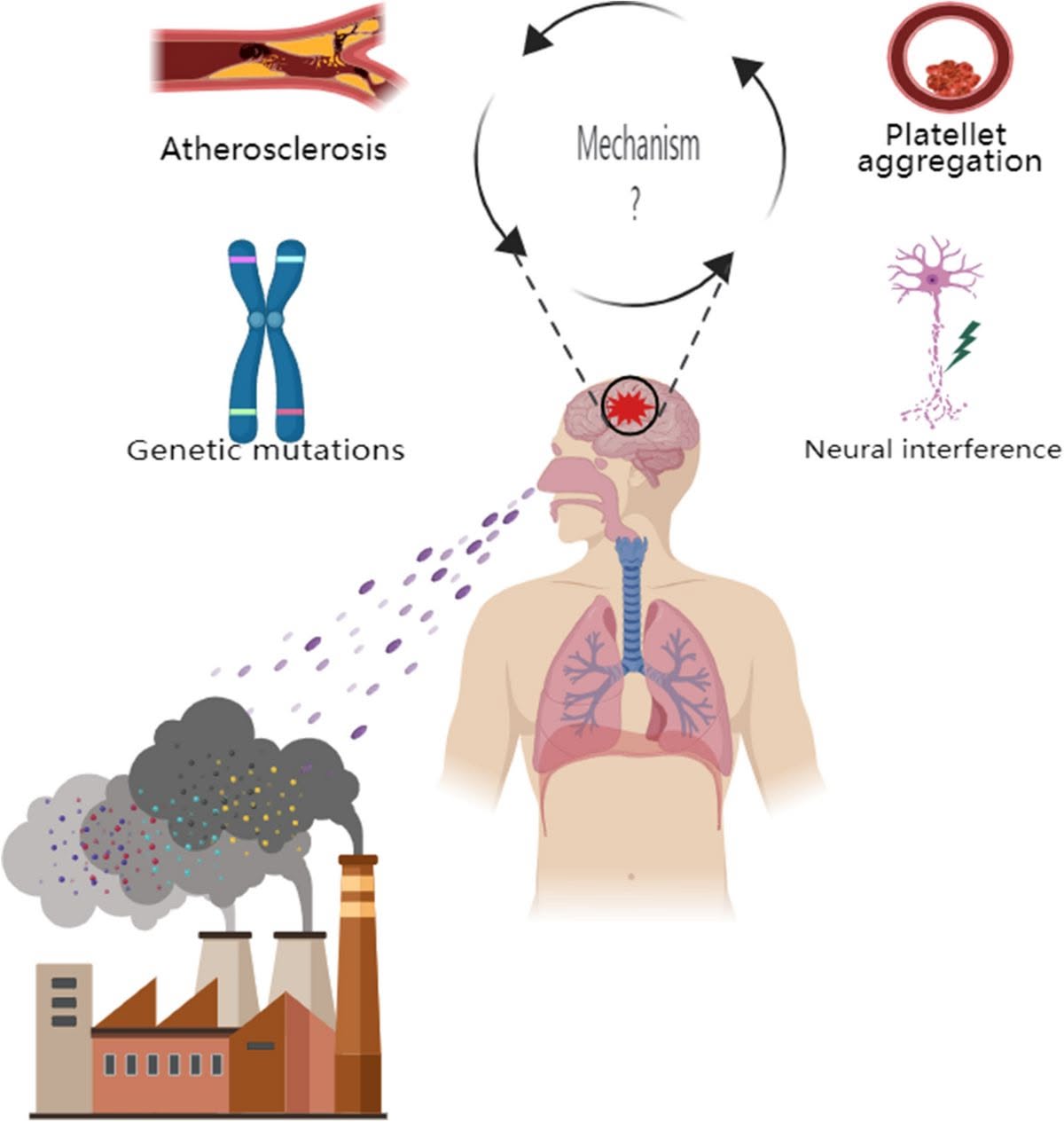
Explain the impact on the health of people living in areas with high levels of PM2.5 dust.
Explain the impact on the health of people living in areas with high levels of PM2.5 dust.
Exposure to PM2.5 (particulate matter with a diameter of 2.5 microns or smaller) in high concentrations has a significant impact on human health. This is because PM2.5 dust can penetrate deep into the respiratory system and enter the bloodstream. Effects range from short-term irritation to long-term chronic conditions. Below are the major health effects:
Short-term health effects:
Respiratory irritation:
Coughing, throat irritation, and shortness of breath
Asthma and bronchitis symptoms worsen
Eye and skin irritation:
PM2.5 dust particles can irritate the eyes and aggravate skin conditions in sensitive individuals.
Decreased lung function:
Even short-term exposure can impair lung function. Especially in children, the elderly, and people with pre-existing conditions.
Stress on the cardiovascular system:
Fluctuating blood pressure and heart rate This results in a higher risk of heart attack among vulnerable populations.
Long-term health effects:
Respiratory diseases:
Chronic obstructive pulmonary disease (COPD) and reduced lung development in children
There is an increased risk of infections such as pneumonia and chronic bronchitis.
Cardiovascular disease:
There is a risk of high blood pressure. Hardening of the arteries, heart attacks, and strokes increases. Due to inflammation of the system caused by PM2.5 dust.
Cancer risk:
Long-term exposure has been linked to lung cancer and other forms of cancer. This is due to carcinogenic substances that often attach to PM2.5 dust particles.
Effects on Pregnancy and Baby:
low birth weight premature birth and developmental delays in children
Infant death rate increases
Effects on the nervous system:
Studies suggest that long-term exposure results in the deterioration of cognitive abilities. Dementia and other neurological conditions
Death rate:
Prolonged exposure is the leading cause of premature death. Especially due to heart and lung disease.
Population at risk:
Children: Their developing lungs and immune systems make them especially vulnerable.
Elderly people: Often have pre-existing health problems that exposure to PM2.5 dust can make worse.
People with pre-existing health conditions: People with asthma, heart disease, or diabetes are at higher risk.
Pregnant women: Exposure to PM2.5 can affect both mother and fetus.
Protective measures:
Reduce exposure to outside air: Limit time spent outdoors during periods of high PM2.5, especially during peak pollution times.
Install an atmosphere regulator: and use HEPA filters in buildings to reduce indoor air pollution.
Take natural resveratrol extract. To prevent and reduce the impact of PM2.5 dust from its anti-inflammatory properties. Increases the function of the mitochondrion. and antioxidants
Personal protection: Wear a well-fitting mask (such as an N95) in polluted areas.
Support cleaner air policies: Support local and global efforts to reduce air pollution.
Living in an area with high PM2.5 dust concentrations requires vigilance to protect health and support environmental changes to alleviate pollution levels.