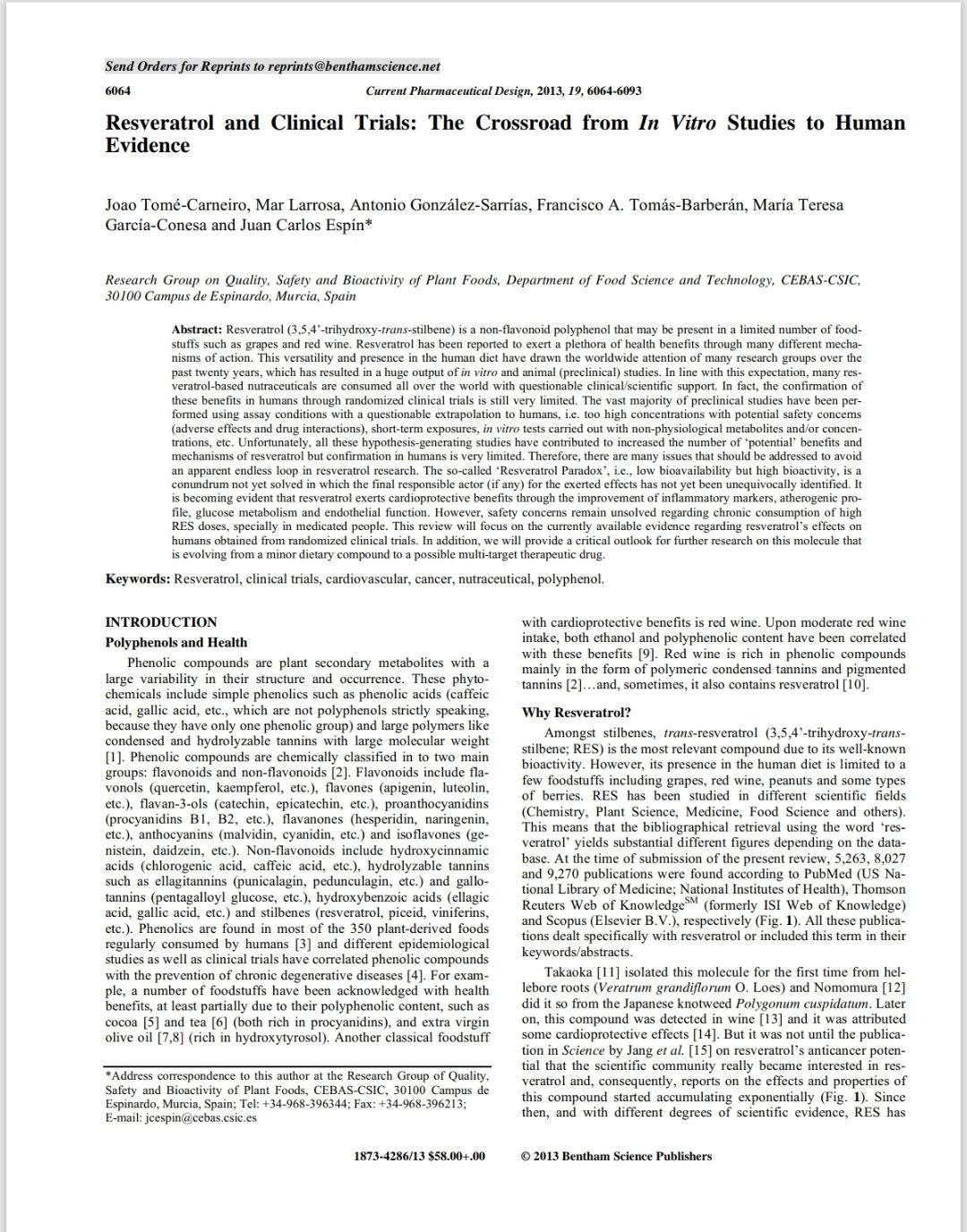
Resveratrol and clinical trials: the crossroads from in vitro studies to evidence in humans.
Resveratrol and clinical trials: the crossroads from in vitro studies to evidence in humans.
Resveratrol (3,5,4'-trihydroxy-trans-stilbene) is a non-flavonoid polyphenol that is present in some plant foods, such as grapes and red wine. Resveratrol is reported to have many health benefits through many different mechanisms of action. The versatility and availability of this compound in human food plants has attracted the attention of a large group of researchers around the world over the past 20 years, resulting in in vitro and animal studies. Many (pre-clinical) patients meet this expectation. Many resveratrol-based dietary supplements are consumed worldwide with clinical/scientific support. In fact Confirmation of these benefits in humans through randomized clinical trials remains very limited. Most pre-clinical studies are conducted using test conditions that are extrapolated to humans, such as excessively high concentrations that may cause safety issues. (Side effects and drug interactions) Short-term exposure In vitro tests performed on non-physiological metabolites and/or concentrations, etc. All these studies that generated the hypothesis have resulted in an increase in the number of benefits and mechanisms of resveratrol. But confirmation in humans is very limited, so there are a number of issues that should be addressed to avoid duplication of resveratrol research. what is called The "resveratrol paradox" is that it has low bioavailability but high biological activity. It's a mystery that can't be solved yet. This is because final responsibility (if any) for the impacts has not yet been clearly identified. It is clear that resveratrol has heart-protective benefits through improving inflammation. Profile of atherosclerosis Glucose metabolism and blood vessel function. However, safety concerns remain regarding the continued consumption of high doses of resveratrol. This review will focus on the currently available evidence on the effects of resveratrol. Here is an in-depth look at the benefits of resveratrol according to recent academic articles:
1. **Antioxidant Properties**: Resveratrol is known for its strong antioxidant abilities. It neutralizes free radicals, which can damage cells and cause aging and diseases like cancer. Research studies show that resveratrol can increase antioxidant enzymes and reduce markers of oxidative stress in the body.
2. **Anti-inflammatory effects**: Resveratrol has been found to inhibit inflammatory processes. It can reduce the production of cytokines and enzymes that cause inflammation. This is related to chronic inflammation and related diseases such as arthritis and cardiovascular disease.
3. **Coronary artery protection**: Resveratrol is beneficial for heart health. Helps improve blood vessel function Lower blood pressure and prevents the oxidation of LDL cholesterol, which is a key factor in the development of arteriosclerosis. Clinical trials have shown that supplementing with resveratrol can improve cardiovascular health in humans.
4. **Cancer Prevention**: Resveratrol has shown potential in preventing many types of cancer. Resveratrol can induce apoptosis. (programmed cell death) in cancer cells Inhibits the spread of cancer cells and prevent the spread Research indicates that resveratrol affects several signaling pathways involved in cancer development.
5. **Neuroprotective Effects**: Resveratrol protects against neurodegenerative diseases such as Alzheimer's and Parkinson's. It can cross the blood-brain barrier and has a protective effect on brain cells by reducing oxidative stress and inflammation. Studies suggest that resveratrol can improve brain function and memory.
6. **Metabolic Health**: Resveratrol is associated with better metabolic health. Resveratrol can increase insulin sensitivity. Reduce blood sugar levels and improve lipid profile These effects make it a potential therapeutic agent for controlling conditions such as diabetes and metabolic syndrome in humans. This was obtained from a double-blind randomized clinical trial. We will also provide important perspectives for further research on this molecule. It is evolving from a food compound into a multi-purpose drug therapy.