Explain the benefits of resveratrol extracted from mulberry to alzheimer's disease.
Explain the benefits of resveratrol extracted from mulberry to alzheimer's disease.
Explains the benefits of resveratrol extracted from mulberry on Alzheimer's disease.
Resveratrol: A natural polyphenol found in some plants. including mulberry It shows potential in research related to Alzheimer's disease (AD) due to its neuroprotective properties. Here are the main benefits:
1. Antioxidant properties
Resveratrol fights oxidative stress. which is a key factor in the progression of Alzheimer's disease. Resveratrol destroys free radicals. Protects nerve cells from damage and helps keep the brain strong overall
2. Anti-inflammatory effect
Chronic inflammation in the brain is a hallmark feature of Alzheimer's disease. Resveratrol reduces neuroinflammation by modulating inflammatory pathways such as the NF-κB signaling pathway, helping to protect brain cells.
3. SIRT1 activation
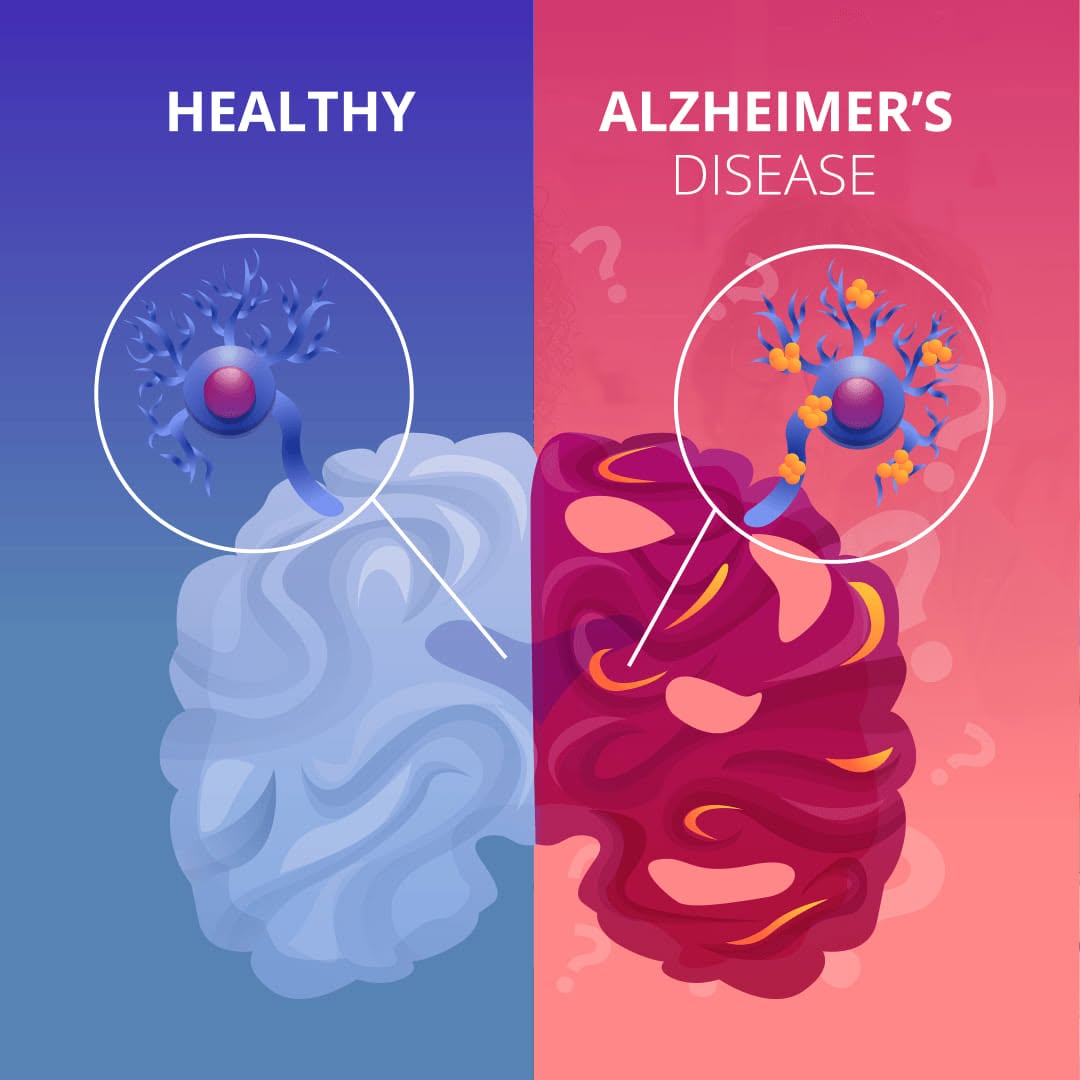
Resveratrol activates SIRT1, a sirtuin protein involved in longevity and cell repair. SIRT1 helps prevent the buildup of amyloid-beta and Tau plaques. which is a characteristic of Alzheimer's disease
4. Improving the removal of amyloid-beta plaque.
Studies have shown that resveratrol helps eliminate amyloid-beta peptides. which combine to form plaque in the brains of Alzheimer's patients This action reduces the toxic effects of these plaques.
5. Enhance cardiovascular health
Resveratrol supports healthy blood flow and protects blood-brain wall This improves the delivery of oxygen and nutrients to the brain. which is important for brain function
6. Supporting Mitochondrial Function
Helps maintain mitochondrial health by reducing mitochondrial dysfunction. which is a factor related to degenerative nervous system diseases such as Alzheimer's disease
7. Potential to improve brain function
Clinical studies show that supplementing with resveratrol improves memory, learning, and overall brain performance.
8. Stimulating the creation of new nerve cells
Resveratrol stimulates the growth of new neurons and synapse connections. This is important for maintaining brain plasticity and fighting brain degeneration.