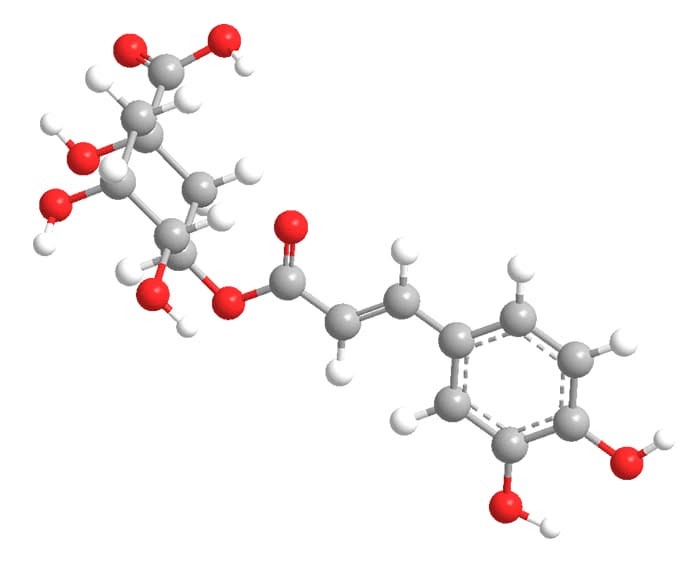
Explains that drying coffee beans at low temperatures with low relative humidity preserves the chlorogenic acid in the coffee beans more than...
Explains that drying coffee beans at low temperatures with low relative humidity preserves more chlorogenic acid in the beans than conventional drying.
The low temperature and low relative humidity drying method preserves chlorogenic acid (CGA) in coffee beans more effectively than conventional drying. This is because it reduces the thermal and oxidative degradation that often destroys CGA. Here's how it works:
1. Heat Sensitivity of Chlorogenic Acid: CGA is a heat sensitive compound. This means that it will begin to deteriorate as temperatures rise. In normal drying Higher heat is often used to speed up the process. This leads to the loss of a large amount of CGA. Lowering the drying temperature slows the degradation, allowing more CGA to be preserved in the final product.
2. Oxidation control: High temperatures and high relative humidity can create oxidative conditions that result in increased degradation of CGA. with low relative humidity Less moisture is available in the air to support oxidation, protecting CGA from decomposition.
3. Longer drying time in controlled temperature: Low temperature drying requires longer drying time. But this gradual process allows moisture to evaporate more gently without causing heat stress to the beans. The gentle drying process preserves the CGA content better than the rapid drying seen with conventional methods.
Low temperature drying helps maintain higher CGA levels by carefully controlling temperature and humidity during the drying process. As a result, coffee beans have more antioxidant potential and are more beneficial to health.