Approximately 1 in 10 women around the world including Thailand There is a chance of developing breast cancer during life. **Daughters who have a mother or have direct relatives...
Approximately 1 in 10 women around the world including Thailand There is a chance of developing breast cancer during life. **Daughters whose mother or direct relative has breast cancer. Must study**
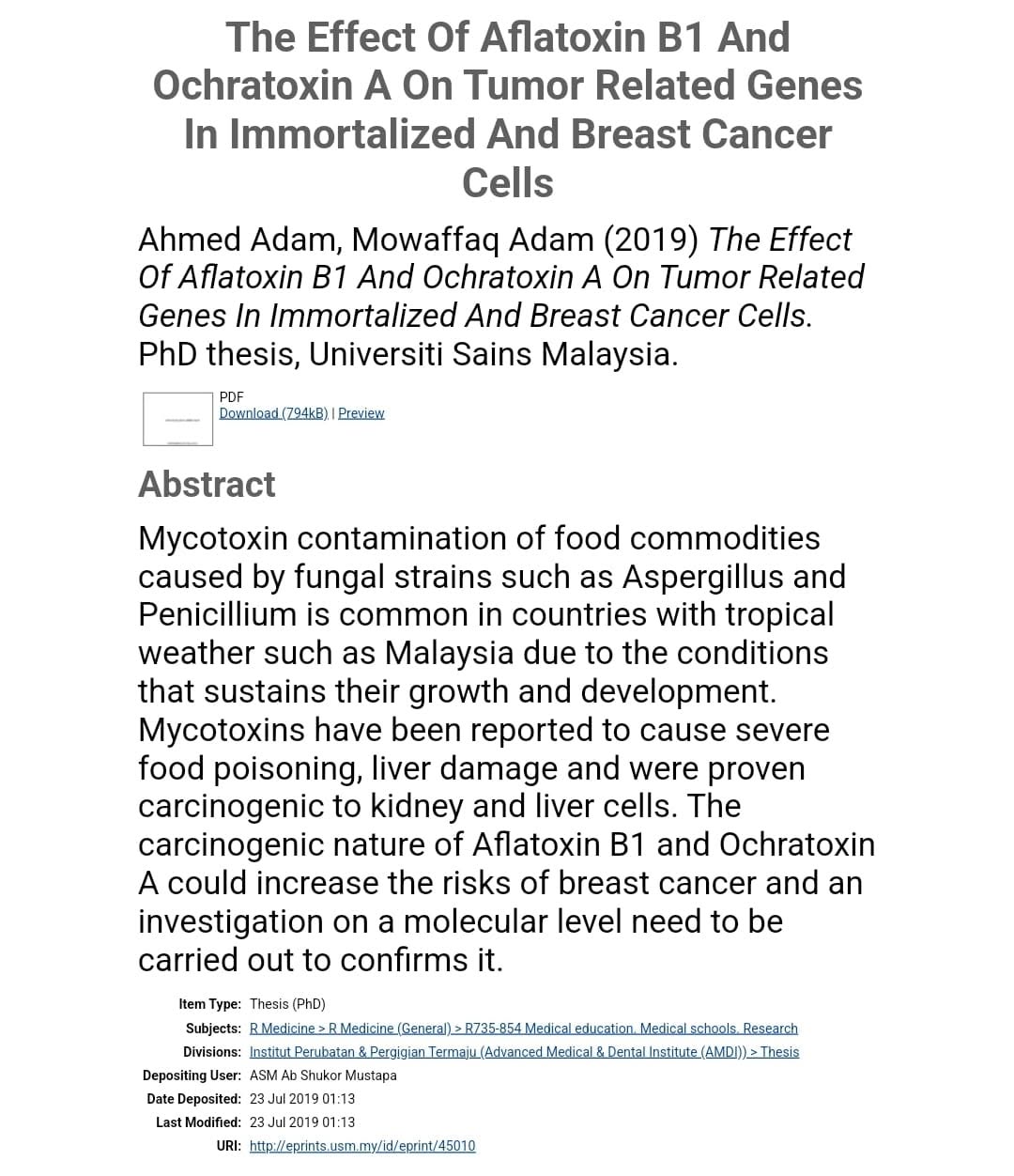
Describe the relationship between aflatoxin B1 and ochratoxin A. that causes breast cancer
Aflatoxin B1 (AFB1) and ochratoxin A (OTA) are toxins produced by fungi. The most common are Aspergillus and Penicillium fungi. They can contaminate foods such as grains, spices, nuts, dried fruits, and coffee. These toxins are classified as mycotoxins. and is known to have carcinogenic effects on humans. Relationship with breast cancer There is evidence that exposure to these toxins can affect the development of breast cancer through various mechanisms.
1. Genetic effects and DNA damage:
Aflatoxin B1 is known to be highly genotoxic. In the body, aflatoxin B is metabolized to its reactive form. (AFB1-8,9-epoxide), which can bind directly to DNA. cause mutation Such damage leads to cancerous cell transformation. which increases the risk of breast cancer
Ochratoxin A also has genetic properties. It can indirectly cause oxidative stress and DNA damage by generating reactive oxygen species (ROS), which can lead to mutations in DNA. Although OTA's specific link to breast cancer is not as clear as AFB1's, studies indicate that it promotes tumor growth in breast tissue.
2. Hormonal Disruptions:
Some studies suggest that both AFB1 and OTA have estrogenic effects. which mimics estrogen in the body This is because estrogen can stimulate the growth of breast cells. Prolonged exposure to these mycotoxins promotes the development of hormone-sensitive breast cancer.
3. Oxidative Stress and Inflammation:
Both AFB1 and OTA are linked to increased oxidative stress. Chronic oxidative stress creates an environment that promotes inflammation. which can promote cancer development by causing cellular changes. promote division and reduces the immune system's ability to identify and destroy abnormal cells.
4. Inhibition of immune system activity:
OTAs have been shown to suppress the immune system. This reduces the body's ability to eliminate mutated cells. This results in an increased risk of cancer. This includes in breast tissue.
5. Epigenetic modifications:
Emerging evidence indicates that mycotoxins, such as AFB1 and OTA, can induce epigenetic changes such as DNA methylation and histone modifications. This can activate oncogenes or inactivate cancer tumor suppressor genes. Resulting in increased carcinogenicity.
In summary, the mechanisms linking AFB1 and OTA to breast cancer. Involved in various processes There are many factors that affect cancer, such as genetic toxicity. oxidative stress Immune suppression and hormonal disruptions Limiting exposure to these mycotoxins through food safety controls from responsible government agencies and avoiding contaminated food are important preventative measures.
***Unfortunately, in Thailand, although there are compulsory laws to protect consumers, But government agencies are not doing anything. Empirical results as seen: Hundreds of thousands of Thai people die from cancer each year. Number one since 1999 until now***