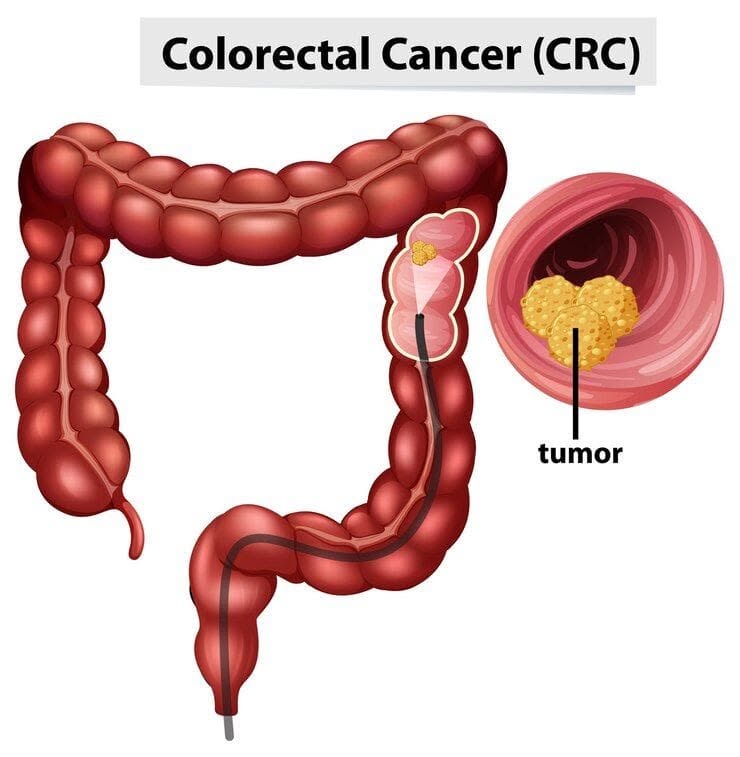
Many Thai people die from colon cancer. without ever knowing the true cause of colon cancer
Many Thai people die from colon cancer. without ever knowing the true cause of colon cancer
Explain the mechanism of colon cancer caused by the carcinogen aflatoxin B1 that is contaminated in food eaten almost every day.
Aflatoxin B1 (AFB1) is a powerful carcinogen produced by certain fungi. In particular, Aspergillus flavus and Aspergillus parasiticus often contaminate food products such as grains, nuts, and spices in hot and humid climates.
Aflatoxin B1 is well known to be associated with liver cancer. But it can also affect colon cancer. which has the following mechanisms:
1. การกระตุ้นการเผาผลาญ: อะฟลาทอกซิน บี1 ถูกกระตุ้นการเผาผลาญในตับโดยเอนไซม์ไซโตโครม P450 โดยเฉพาะ CYP1A2 และ CYP3A4 โดยสร้างสารตัวกลางที่มีปฏิกิริยาสูงที่เรียกว่าอะฟลาทอกซิน B1-8,9-epoxide
This form of epoxide is highly reactive and can bind to DNA. This creates adducts that lead to mutations.
2. Formation of DNA adducts: AFB1-8,9-epoxide binds to guanine bases in DNA, forming aflatoxin-DNA adducts. Especially the guanine supplement AFB1-N7.
This reaction can cause base pair substitutions, such as the GC to TA translocation, which is mutagenic and has been linked to oncogene activation or tumor suppressor gene inactivation.
3. Mutations in key genes: in colon cells Mutations caused by aflatoxin B1 can disrupt genes important for cell regulation, such as the tumor suppressor gene p53, causing cells to divide without control.
p53 mutations are commonly found in colon cancer. And mutations caused by exposure to aflatoxin B1 increase the risk of cancer transformation.
4. Oxidative stress: Metabolism of aflatoxin B1 produces free radicals (ROS), which can damage cellular DNA, proteins, and lipids.
Chronic oxidative stress can lead to inflammation and promote an environment that promotes tumorigenesis. which can cause colon cancer
5. Chronic inflammation: exposure with aflatoxin leads to chronic inflammation in the gastrointestinal tract Inflammatory cytokines and growth factors released in response to AFB1-induced cell damage can promote cell division and survival. As a result, cancer can develop.
Conclusion: The carcinogenic effect of aflatoxin B1 in the colon is due to DNA. that mutated oxidative stress and chronic inflammation All of which promote genetic mutation and cell division. As time passes These effects can result in the transformation of normal colon cells into cancer cells. This causes a risk of developing colon cancer.