Now that you know, don't keep it to yourself!
Now that you know, don't keep it to yourself!
If Thai people pay attention to the mechanisms for neutralizing the carcinogenic aflatoxins that are contaminated in dry food (ground peanuts, dried shrimp, dried fish, etc.) and spices (cayenne pepper, pepper, shallots, garlic, etc.), Thai people will have less cancer and die from cancer.
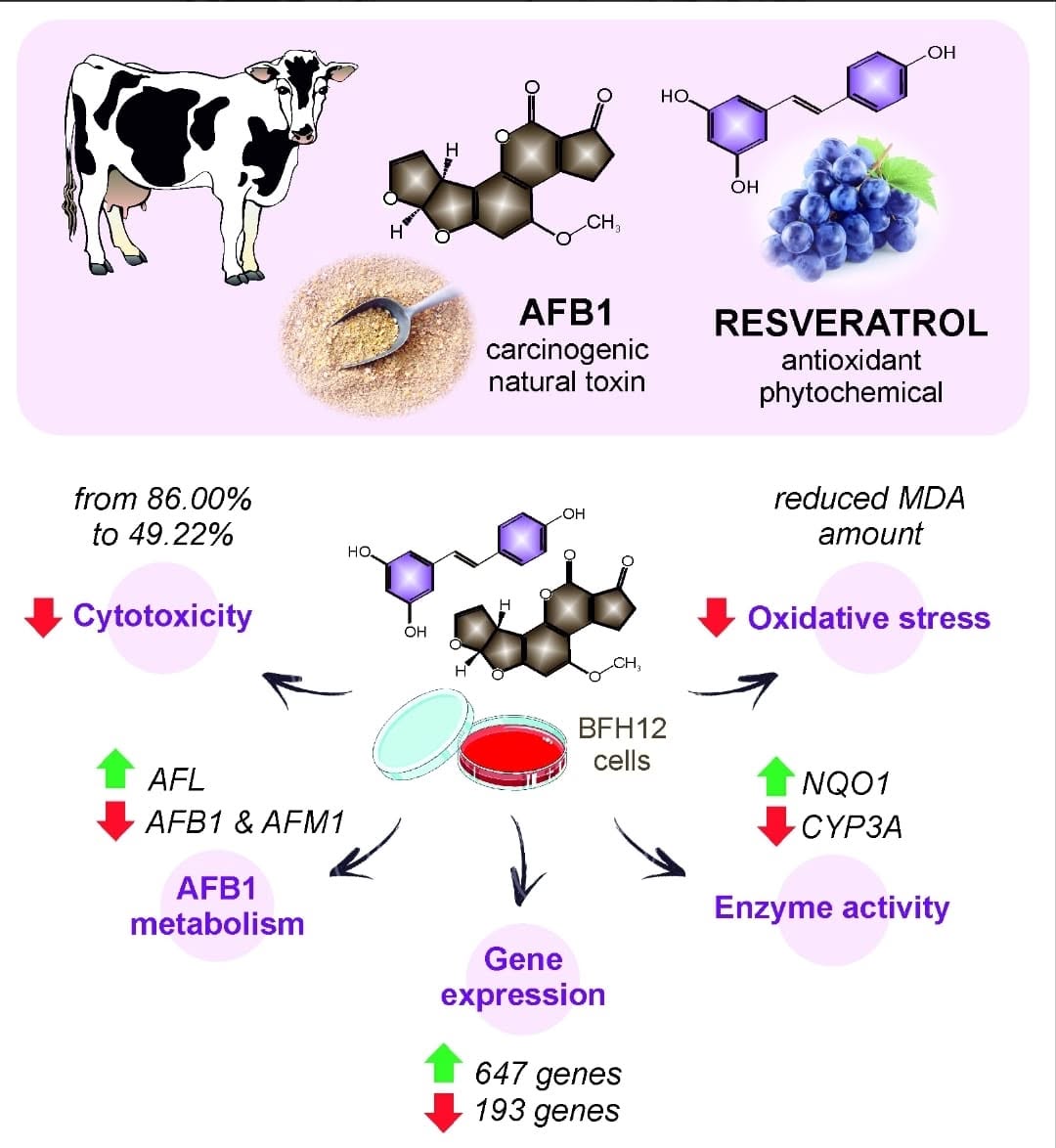
Resveratrol is a polyphenolic compound found in many plants, including grapes and mulberries. It is known for its antioxidant properties. anti-inflammatory and anti-cancer One notable benefit of resveratrol is its ability to reduce aflatoxin toxicity. which is a potent carcinogen produced by the Aspergillus fungus. which is often found in contaminated food products
The mechanism by which resveratrol reduces aflatoxin toxicity involves several key processes:
1. **Antioxidant Effects**: Resveratrol has strong antioxidant properties. It helps combat oxidative stress (ROS) caused by aflatoxin metabolism. Aflatoxin causes oxidative stress in cells. Causes the oxidation of fat. DNA damage and protein modification by excreting these ROS. Resveratrol protects cellular components from oxidative damage.
2. **Modulation of detoxification enzymes**: Resveratrol influences the expression and activity of phase 1 and phase 2 detoxification enzymes. Phase 1 enzymes such as cytochrome P450 (CYP450) are involved in the bioactivity of aflatoxin in its toxic form. Resveratrol inhibits CYP450 enzymes, reducing the formation of these toxic metabolites. In addition, resveratrol stimulates phase 2 enzymes such as Glutathione S-transferases (GSTs), which enhance the conjugation and elimination of aflatoxins and their metabolites. Thus reducing toxicity.
3. **Anti-inflammatory effects**: Chronic inflammation is a known risk factor for aflatoxin carcinogens. Resveratrol exerts its anti-inflammatory effects by inhibiting the activity of nuclear factor kappa B (NF-κB), a key regulator of the inflammatory response. By reducing inflammation Resveratrol reduces the cellular environment that favors cancer caused by aflatoxins.
4. **Induction control Apoptosis and Cell Cycle**: Resveratrol can induce cell death. It induces apoptosis (programmed cell death, apoptosis) and modulates cell cycle progression in cells exposed to aflatoxin. By promoting the elimination of damaged cells through apoptosis and stopping the cell cycle at critical checkpoints. Resveratrol thus prevents the spread of cells with aflatoxin-induced mutations, reducing the risk of cancer development.
5. **Direct Binding and Detoxification**: There is evidence that resveratrol can directly bind to aflatoxins. Reduces absorption and facilitates excretion from the body. This direct reaction will also decrease the aflatoxin concentration in the system.
In summary, resveratrol reduces aflatoxin toxicity through a combination of antioxidant protection. Adjusting detoxifying enzymes Anti-inflammatory effect Induction of cell death and has a direct binding and detoxifying effect. These multifaceted mechanisms protect cells from the carcinogenic effects of aflatoxin. and contributes to resveratrol's overall health benefits.
#ResveratrolDrVee