Chat GPT explains the mechanism by which resveratrol neutralizes the toxicity of the carcinogen aflatoxin.
Chat GPT explains the mechanism by which resveratrol neutralizes the toxicity of the carcinogen aflatoxin.
Resveratrol, a natural polyphenolic compound found in grapes, berries, and peanuts, has the potential to reduce aflatoxin toxicity.
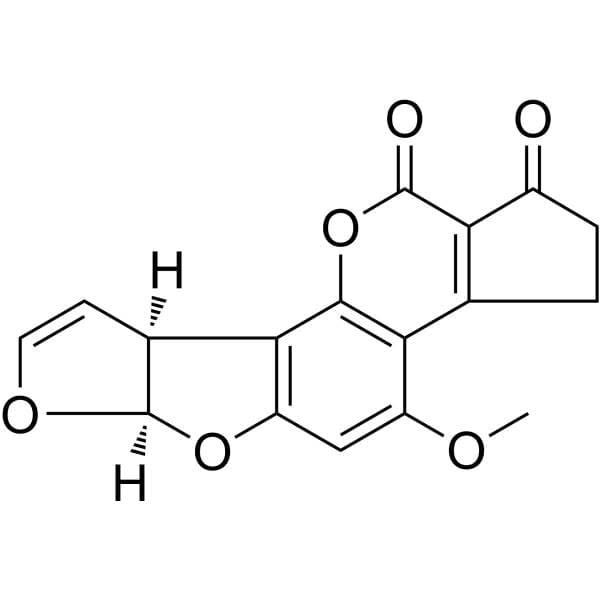
Aflatoxin is a highly toxic and carcinogenic compound produced by certain fungi. Mainly *Aspergillus flavus* and *Aspergillus parasiticus* which can contaminate food crops.
The main mechanism by which resveratrol exerts its protective effect against aflatoxin toxicity is related to its antioxidant properties. Resveratrol neutralizes oxidative stress (ROS) and reduces oxidative stress. This is a key channel through which aflatoxins cause cellular damage. By eliminating these free radicals Resveratrol prevents lipid peroxidation and DNA damage that aflatoxins often cause.
Additionally, resveratrol modulates various signaling pathways. related to cell defense mechanisms It activates nuclear factor erythroid 2 (Nrf2), which regulates the expression of antioxidant enzymes such as glutathione S-transferases (GST). These enzymes play a key role in aflatoxin detoxification. This reduces the harmful effects of aflatoxin.
Resveratrol also exhibits anti-inflammatory properties by inhibiting the nuclear factor-kappa B (NF-κB) pathway, which is often activated during aflatoxin-induced inflammation. By reducing the inflammatory response Resveratrol reduces the chronic effects of aflatoxin exposure, such as liver damage and fibrosis.
Resveratrol also affects phase 1 and phase 2 detoxification enzymes. It can inhibit cytochrome P450 enzymes, especially CYP1A2 and CYP3A4, which are involved in the conversion of aflatoxin B1 (AFB1) to its highly reactive and toxic epoxide form. By inhibiting these enzymes Resveratrol reduces aflatoxin production. B1-8,9-epoxide This reduces the risk of DNA adduct formation and subsequent cancer development.
In summary, resveratrol combats aflatoxin toxicity through its antioxidant effects. Modulation of detoxification and anti-inflammatory pathways and inhibiting the enzyme that activates aflatoxin. These combined mechanisms help to protect against the adverse health effects of aflatoxin exposure.
#ResveratrolDrVee