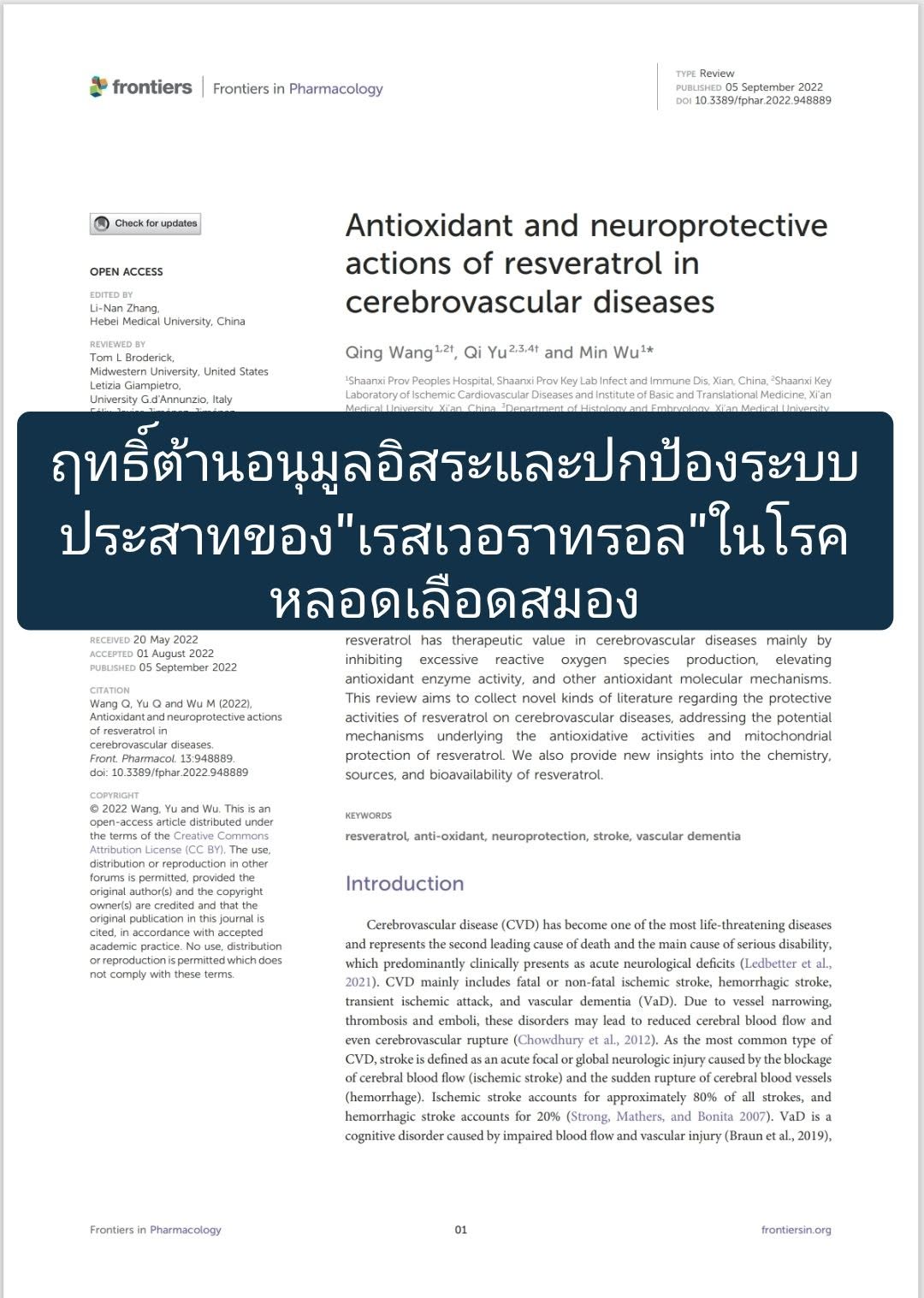
Academic topic: "Antioxidant and neuroprotective actions of resveratrol in cerebrovascular diseases" (published in the journal *...
A summary of the academic article "Antioxidant and neuroprotective actions of resveratrol in cerebrovascular diseases" (published in the journal *Frontiers in Pharmacology*) is as follows:
Introduction and importance
Stroke Cerebrovascular diseases, such as ischemic stroke and vascular dementia, are diseases with high rates of death and disability worldwide. Important risk factors that damage brain cells in this group of diseases are: "Oxidative Stress" or the body having too many free radicals. The research team therefore gathered research to study the potential of resveratrol as a natural antioxidant that could be used as a strategy for treating and protecting the brain.
What is Resveratrol?
It is a natural polyphenol compound in the Stilbene family, found mainly in the skin of red grapes. and berry plants Acts as a plant protection agent (Phytoalexin) and has outstanding antioxidant and anti-inflammatory properties.
Mechanism of action to protect the brain (Neuroprotective Mechanisms)
This article states that Resveratrol protects the nervous system and stroke through the following key mechanisms:
1. Inhibits the creation of free radicals: Helps reduce the creation of free radicals in the Reactive Oxygen Species (ROS) group that will destroy brain cells.
2. Stimulates the body's antioxidant enzymes: Resveratrol increases the activity and expression of genes associated with natural antioxidants, such as the enzymes Superoxide Dismutase (SOD), Heme Oxygenase-1 (HO-1), and eNOS (which helps in vasodilation).
3. Protect Mitochondria (Mitochondrial Protection): Helps maintain and restore the function of mitochondria. (cell energy source) from being destroyed by ischemia and lack of oxygen which helps prevent brain cells from entering the death process (Apoptosis)
4. Reduce inflammation in the brain: Inhibits the overactivity of microglia and astrocytes, which are immune cells in the brain that often secrete inflammatory substances that aggravate brain tissue after a stroke.
Effects on cerebrovascular disease
* Acute Ischemic Stroke: Studies have shown that resveratrol reduces the size of brain tissue that has died from ischemia (Infarct volume), and reduces brain swelling. and helps improve neurological/movement impairment symptoms
* Vascular Dementia: Helps reduce damage to brain cells in the hippocampus and cerebral cortex. Resulting in improved learning and memory abilities.